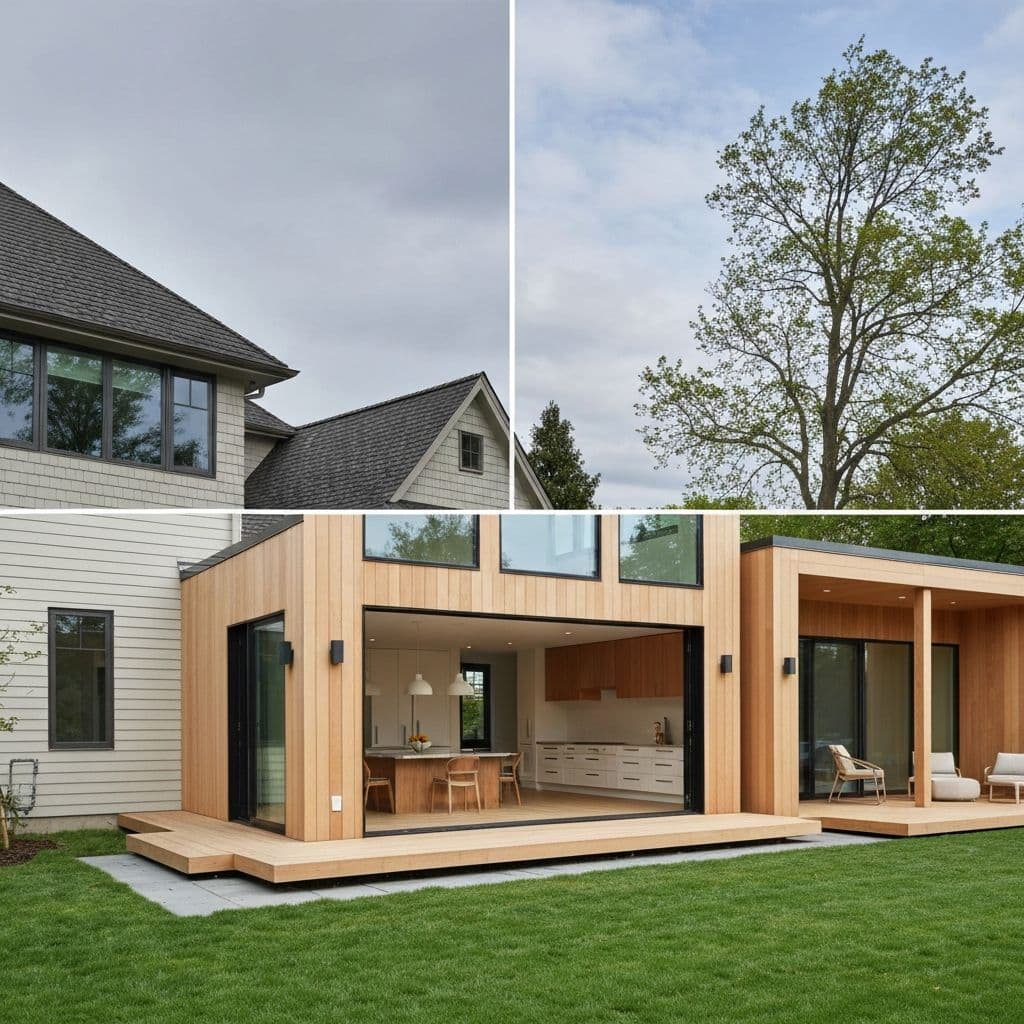
A home addition is one of the most significant investments you can make in your property. When done right, it adds valuable living space and increases your home's value. Here's your comprehensive planning guide.
Step 1: Define Your Needs
Before calling a contractor, clearly define what you need. Are you adding a bedroom for a growing family? A sunroom for year-round enjoyment? A master suite for aging in place? The purpose of your addition drives every design and budget decision that follows.
Step 2: Understand Pittsburgh Zoning and Permits
Pittsburgh and its surrounding municipalities have specific zoning requirements that affect what you can build:
Setback Requirements: Most areas require minimum distances from property lines. A typical requirement is 5-10 feet from side property lines and 25 feet from the rear.
Lot Coverage: There's often a maximum percentage of your lot that can be covered by structures (usually 35-50%).
Height Restrictions: Second-story additions may face height limits depending on your zoning district.
Historic Districts: If your home is in a historic district, you may need approval from a historic review board. This is common in neighborhoods like Shadyside, Squirrel Hill, and the Mexican War Streets.
ABK Unlimited handles all permit applications as part of our service.
Step 3: Choose Your Addition Type
Bump-Out Addition (50-200 sq ft): Extend an existing room by a few feet. Great for expanding a kitchen or adding a mudroom. Budget: $20,000-$50,000.
Room Addition (200-500 sq ft): Add a new room at ground level. Most common for family rooms, bedrooms, or sunrooms. Budget: $50,000-$150,000.
Second-Story Addition: Build up instead of out, ideal for smaller lots. Adds significant square footage without reducing yard space. Budget: $100,000-$300,000.
In-Law Suite / ADU: A self-contained living space with kitchen, bath, and separate entrance. Increasingly popular and now allowed in more Pittsburgh-area municipalities. Budget: $80,000-$200,000.
Step 4: Design for Seamless Integration
The best additions look like they were always part of the original home. Key design principles include matching roof lines and pitch, using identical or complementary exterior materials, aligning window styles and sizes, and ensuring interior flow between old and new spaces.
Step 5: Budget and Timeline Planning
A well-planned addition typically takes 3-6 months from design to completion. Budget should include a 10-15% contingency for unexpected issues, which are common when connecting new construction to an existing structure.
Step 6: Choose the Right Contractor
Your addition contractor should be licensed, insured, experienced with additions specifically, and able to provide references from similar projects. At ABK Unlimited, we've completed hundreds of home additions across Greater Pittsburgh.
Ready to expand your home? Contact us for a free consultation and detailed estimate.